A podcast about health conditions, told by people living with them
Latest Episodes
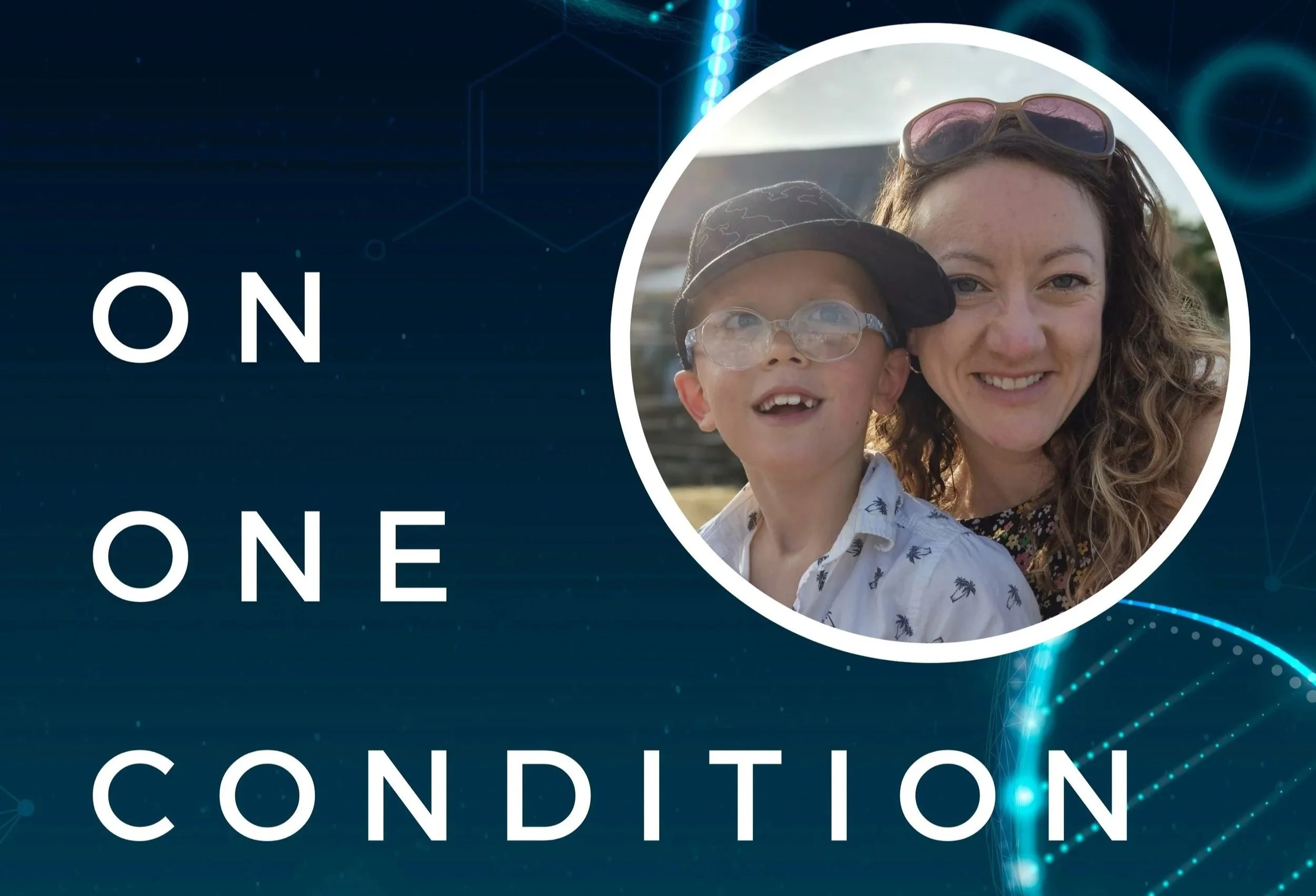
Amanda talks about her son Ben and his diagnosis of Malan syndrome, a rare genetic neurodevelopmental condition caused by a change in the NFIX gene, first identified in 2010 and diagnosed in only around 450 people worldwide.
She describes Ben's early years, characterised by repeated health issues that all seemed unrelated, before a neurologist finally connected the dots and ordered a whole genome sequencing that led to Ben’s diagnosis. She speaks candidly about the mixed relief and grief of learning the cause lay in his genes, and how the diagnosis unlocked specialist support that has helped Ben receive the support he needs and thrive in mainstream school.
Amanda also talks about the realities of being Ben's care coordinator across eleven medical specialities, the power of connecting with other families through the Malan Syndrome Foundation, and — drawing on her own career as a health economist — the challenge of funding research and treatment for conditions with such small patient populations.
This episode is about diagnosis, adaptation and the strength found in community — and the idea that rare conditions, taken together, are far from rare at all.
The song that Amanda chose is No Such Thing As Normal by Electric Umbrella.
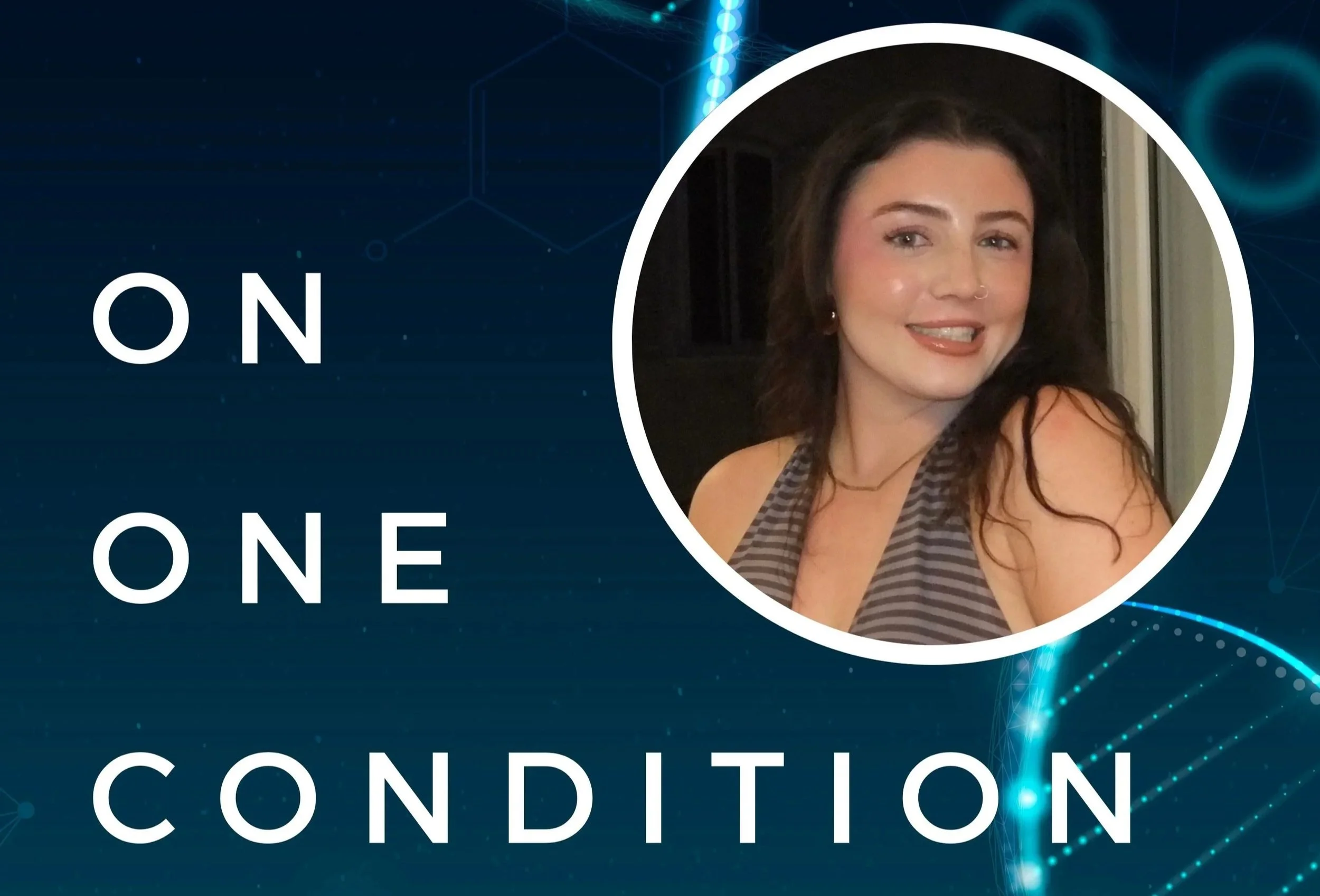
In this episode of On One Condition, Sylvain talks to Niamh Foster about the ischaemic stroke she had at just 26 years old, a stroke caused by a blood clot blocking blood flow to part of her brain.
Niamh describes the middle-of-the-night onset she initially put down to stress, the drooping face and slurred speech that finally sent her to hospital, and the ten transient ischaemic attacks (TIAs), or mini-strokes, that had quietly warned her for weeks beforehand, mistaken at the time for migraines. Doctors eventually traced the cause to a two-centimetre hole in her heart — a patent foramen ovale (PFO) that many people are born with and never notice, unless, like Niamh, it lets a clot travel straight to the brain.
She talks openly about relearning to speak through aphasia and dysarthria, the frustration of losing words she knew perfectly well, and the fourteen months off work that felt like watching her life pause while everyone else's carried on. That period also led her somewhere new: from a career in fashion into a job supporting fellow stroke survivors at the Stroke Association, now contributing to the very Life After Stroke group she once attended as a patient.
This episode is about diagnostic delay, the science of neuroplasticity, and finding purpose on the other side of a life-changing event.
The song that Niamh chose is I'm Still Standing by Elton John.
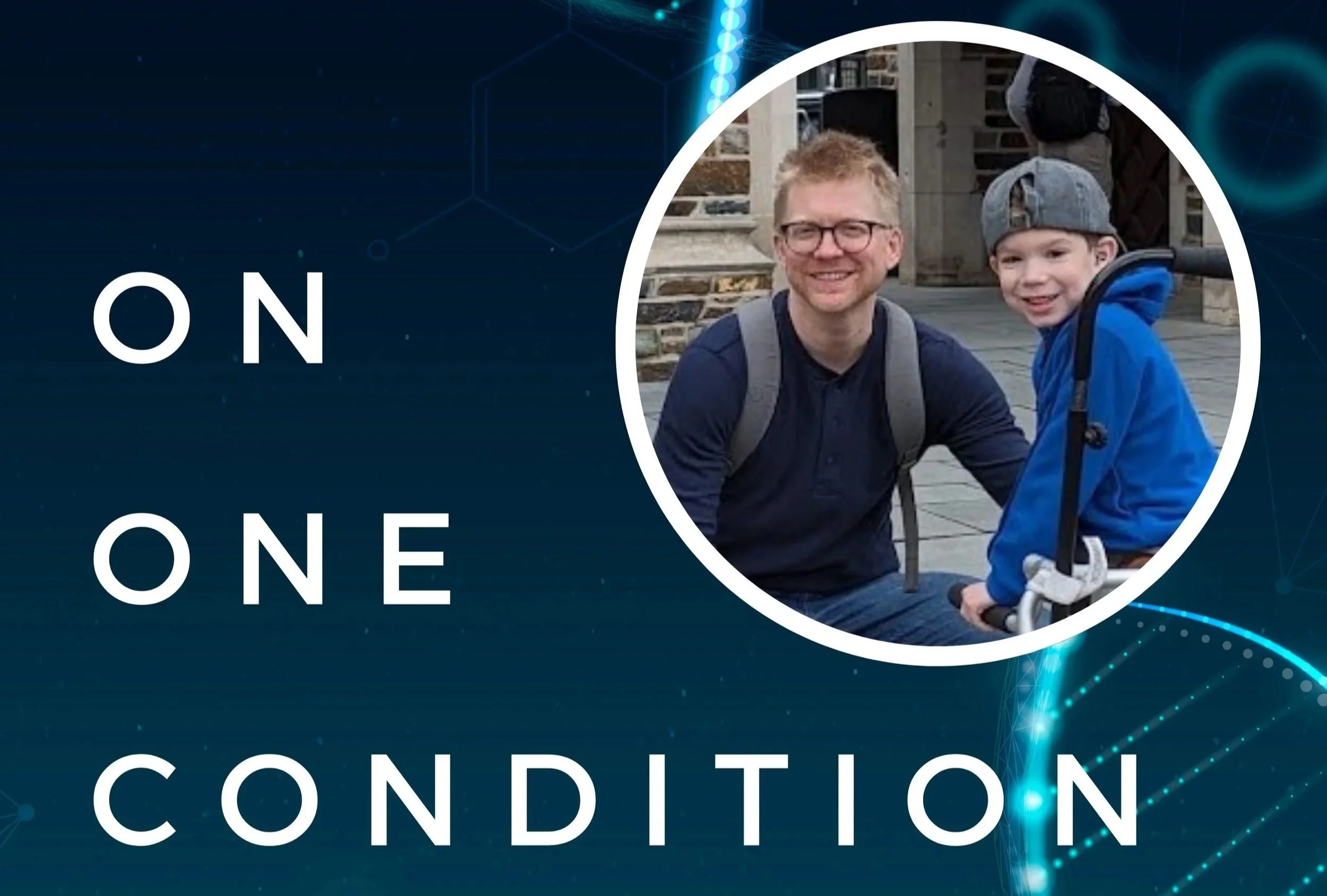
Andrew is the father of Diego, who was diagnosed with peroxisome biogenesis disorder (PBD), a rare and potentially devastating genetic condition affecting an organelle found in every cell of the body.
Andrew shares the emotional reality of receiving a diagnosis when doctors could not tell his family what the future would look like, and that there were no treatments available. But alongside the uncertainty came a determination to understand the disease and do something about it. What began with Andrew learning how to read scientific papers and reaching out to researchers eventually led him to leave his career and work full-time to build an ecosystem around peroxisome research.
The conversation goes beyond Diego's story. Andrew explains why the peroxisome has historically received far less attention and funding than other areas of biology, and why changing that requires more than scientific discovery.
Ultimately, this is a story about turning an incredibly difficult diagnosis into purpose, while never losing sight of the child and family at the heart of it.
Andrew chose the song Un Poco Loco by Anthony Gonzalez and Gael García Bernal.
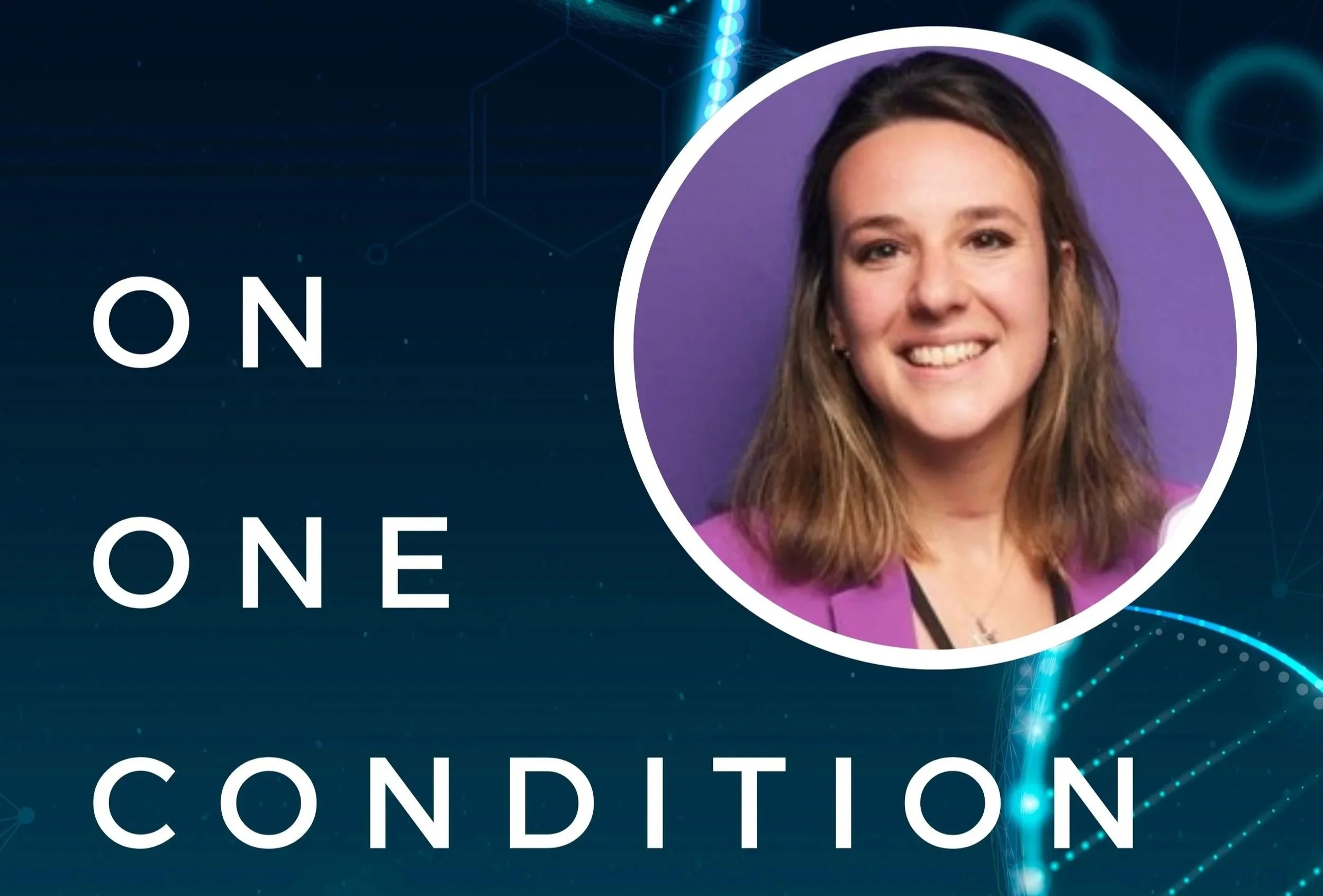
Katie’s journey with hypoparathyroidism began unexpectedly, following surgery for thyroid cancer in her twenties. What followed was a profound period of uncertainty, brain fog, fatigue and loss of independence, during which Katie often had to become her own advocate while struggling with the very symptoms that made advocacy difficult.
Her story is also one of resilience, community and partnership. She describes how family and friends helped her through some of her darkest moments, how a clinical trial became a turning point in her treatment journey, and how working alongside her physician, the patient community, pharmaceutical companies and the FDA ultimately helped bring a treatment to patients.
Most importantly, Katie reflects on what it means to have your voice heard when living with a rare or chronic condition. Her message to everyone working with patients is beautifully simple: patients need to feel heard, understood and believed.
The song that Katie chose is The Cure by Little Mix.
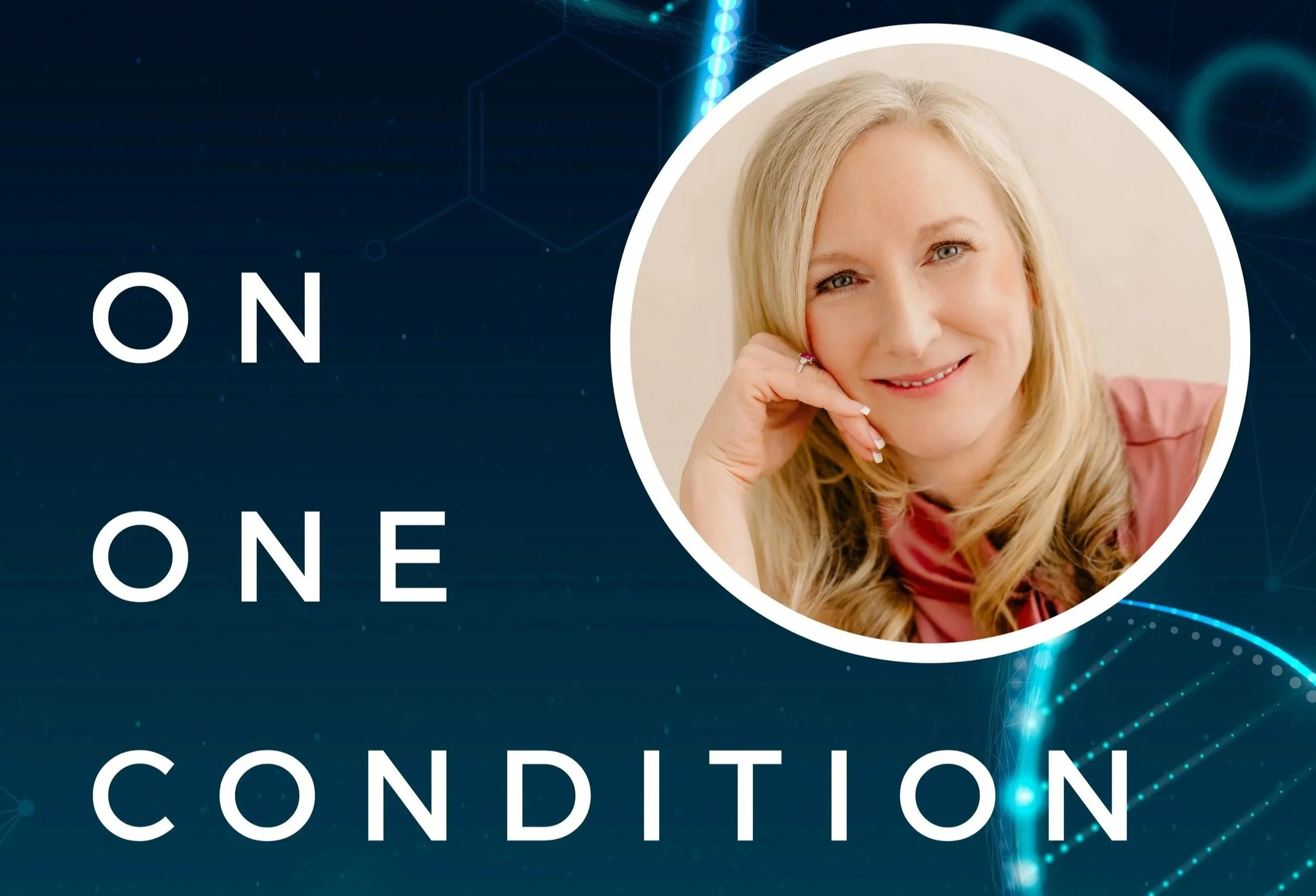
Monica shares her extraordinary journey through years of unexplained pain, repeated misdiagnoses, and a 20-month diagnostic odyssey that ultimately led to confirming that her symptoms were real, and that she was suffering from Craniocervical Instability (CCI), Chiari malformation, tethered cord syndrome and Ehlers-Danlos syndrome (EDS). What begins as a story of a healthcare system that repeatedly failed to recognise a rare condition becomes a powerful conversation about resilience, advocacy and finding purpose through adversity.
Monica speaks openly about losing her health, career and identity, while also explaining how she reclaimed control by becoming an advocate for rare disease patients. She discusses the realities of navigating insurance denials, undergoing an eight-hour neurosurgical procedure, living with permanent disability, and why she is passionate about improving awareness of the relationship between connective tissue disorders and menopause.
Throughout the conversation, Monica demonstrates remarkable optimism, showing how writing, visualization techniques and advocacy have transformed one of the darkest periods of her life into a mission to help others feel seen, believed and less alone.
The song that Monica chose is Man in the Mirror by Michael Jackson.
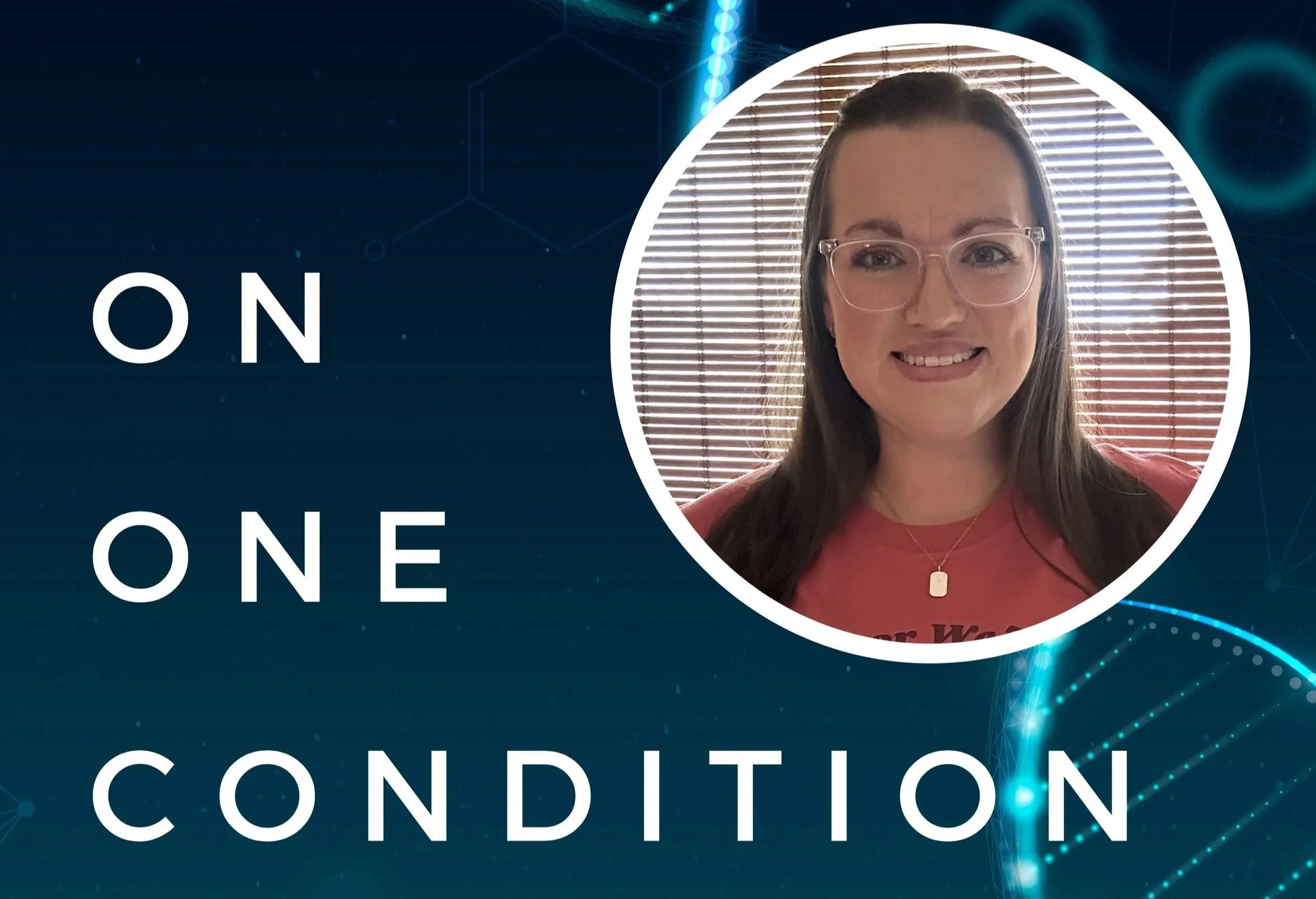
Janee lives with Ebstein's Anomaly, a rare congenital heart defect that has shaped every stage of her life. Diagnosed at birth and undergoing open-heart surgery at just seven years old, Janee shares the physical realities of living with arrhythmias, repeated hospital admissions, and the possibility of needing a heart transplant in the future. Yet throughout our conversation, what stands out most is not the medical complexity, but her remarkable resilience and positivity.
Janee reflects openly on growing up feeling different, hiding her surgical scar, and believing she had to keep her condition to herself. She explains how finding the congenital heart disease (CHD) community transformed her self-confidence, helping her realise she was not alone. That journey eventually inspired her to create The Heart Connection, a non-profit supporting adults living with congenital heart disease through practical care packages and a growing community of understanding.
This episode explores identity, belonging, fear, hope, and the extraordinary impact of finding people who truly understand your experience. Janee's warmth, honesty and determination shine throughout, making this an inspiring conversation about turning personal challenges into support for others.
The song that Janee chose is I Lived by OneRepublic.
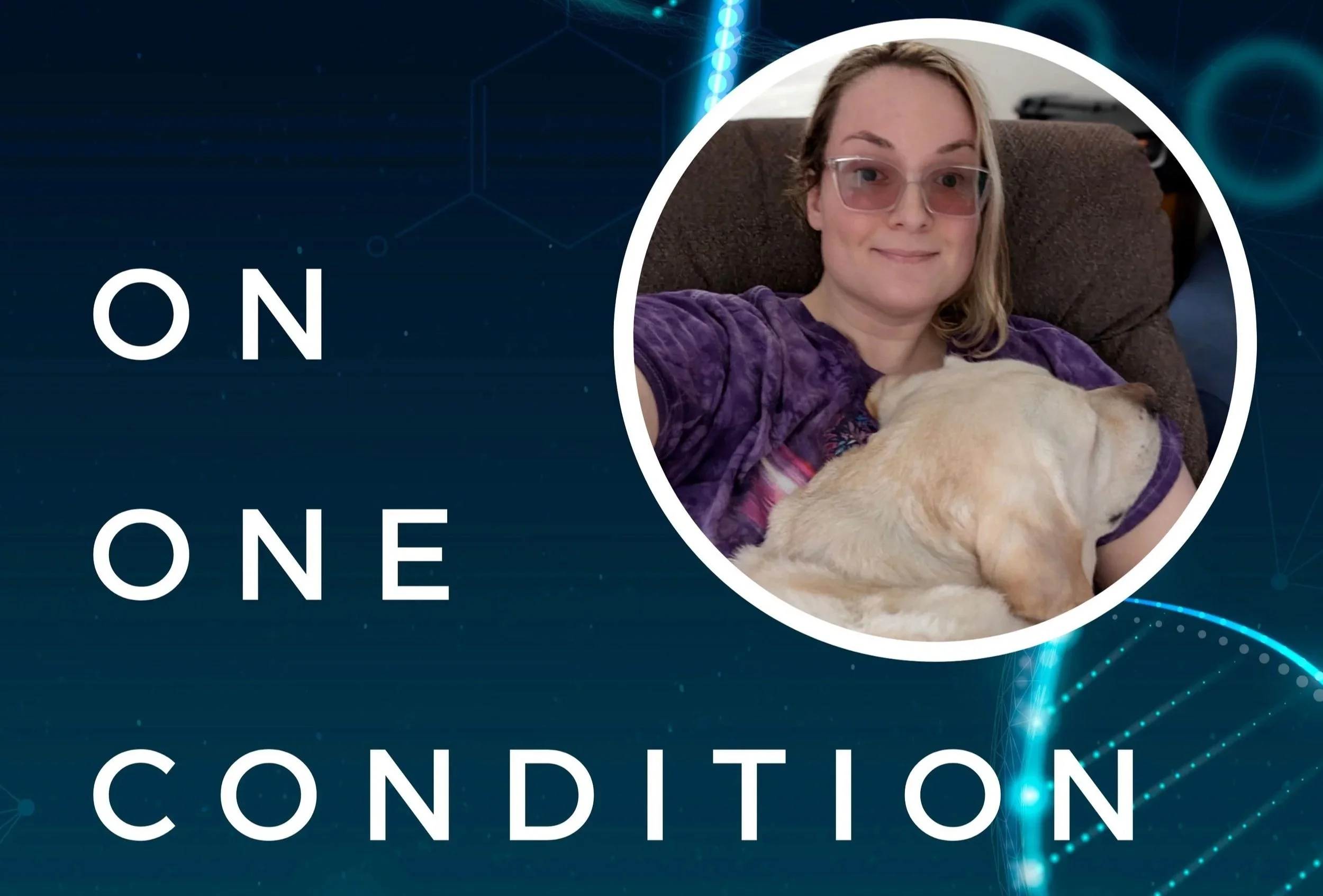
This episode of On One Condition follows Jenny Trefzger’s journey through persistent abdominal and groin pain after surviving stage IV colon cancer.
After years of scans, colonoscopies, PET imaging, blood tests, spine evaluations, pain procedures, and repeated reassurances that cancer had not returned, Jenny eventually encountered the possibility of Anterior Cutaneous Nerve Entrapment Syndrome (ACNES), a frequently overlooked cause of chronic abdominal wall pain.
The conversation explores the emotional burden of living with a cancer history, the challenge of distinguishing new symptoms from recurrence anxiety, and the importance of hands-on examination, self-advocacy, and specialist expertise.
Despite a long and frustrating diagnostic journey, Jenny is optimistic that she has found the right team who will be able to treat her chronic pain.
The song that Jenny chose is At The Limit by Yuki Hayashi.
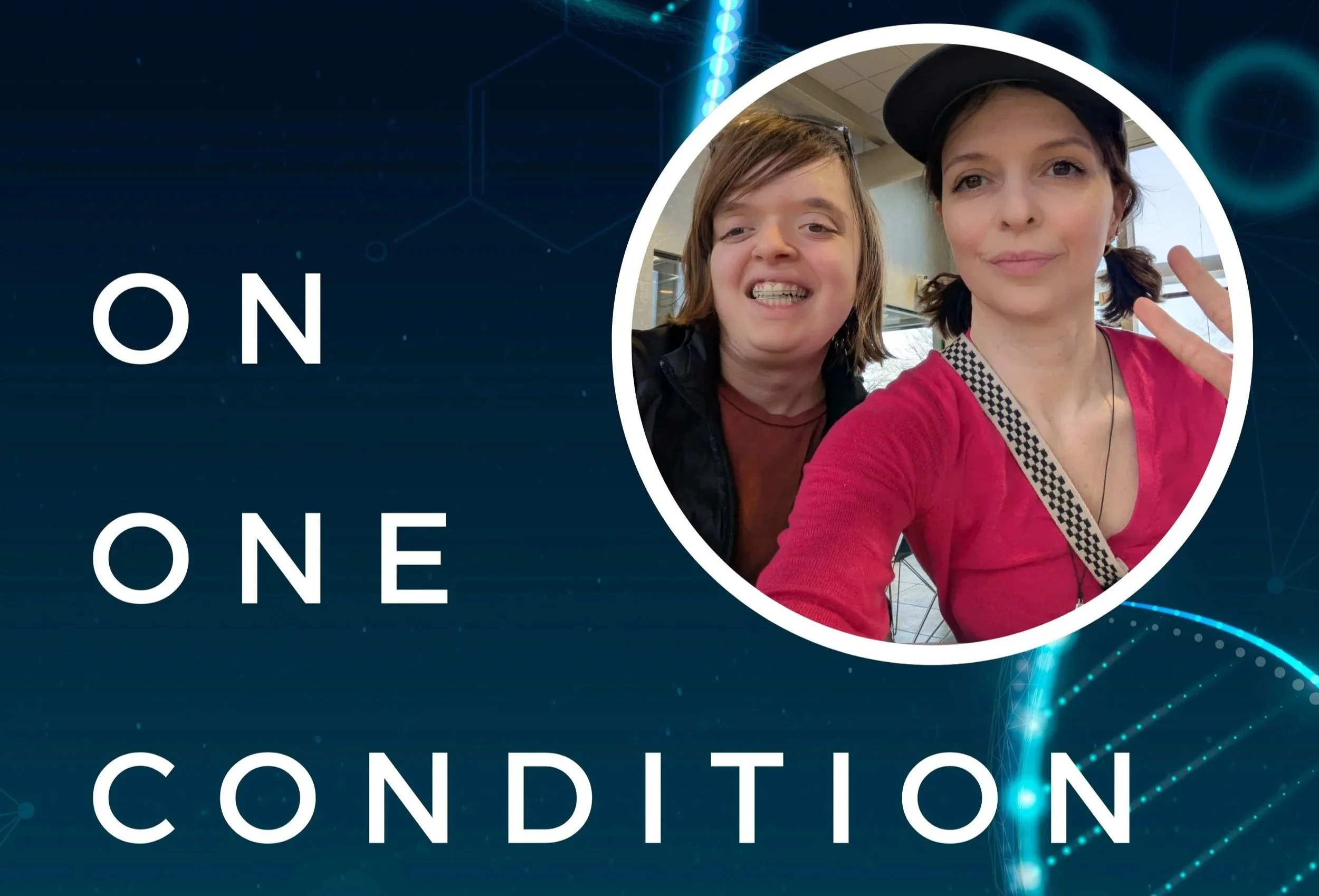
This episode is both about Carolina and her daughter Mariana’s journey with Pfeiffer Syndrome, and about how rare disease families can truly impact healthcare.
Carolina shares the long and emotionally exhausting path to diagnosis, the repeated hospitalizations and surgeries Mariana endured, and the emotional impact of raising a child with a visible rare disease.
What stands out throughout the conversation is Carolina’s extraordinary resilience and compassion. Rather than allowing fear and trauma to define their lives, she transformed her family’s experience into advocacy, education, and systemic change through the organizations she founded, including Born a Hero.
The episode explores difficult but important topics: medical gaslighting, delayed diagnosis, the emotional toll on caregivers, bullying, mental health, and the urgent need for patient-centred healthcare. Yet despite the challenges, the conversation is filled with hope, warmth, and humanity. Carolina repeatedly returns to the power of kindness, collaboration, community, and listening to patients and families.
It is ultimately a story about turning pain into purpose, and about how rare disease families often become the strongest advocates, educators, and changemakers.
The song that Carolina chose is The Truth by Megan Woods.
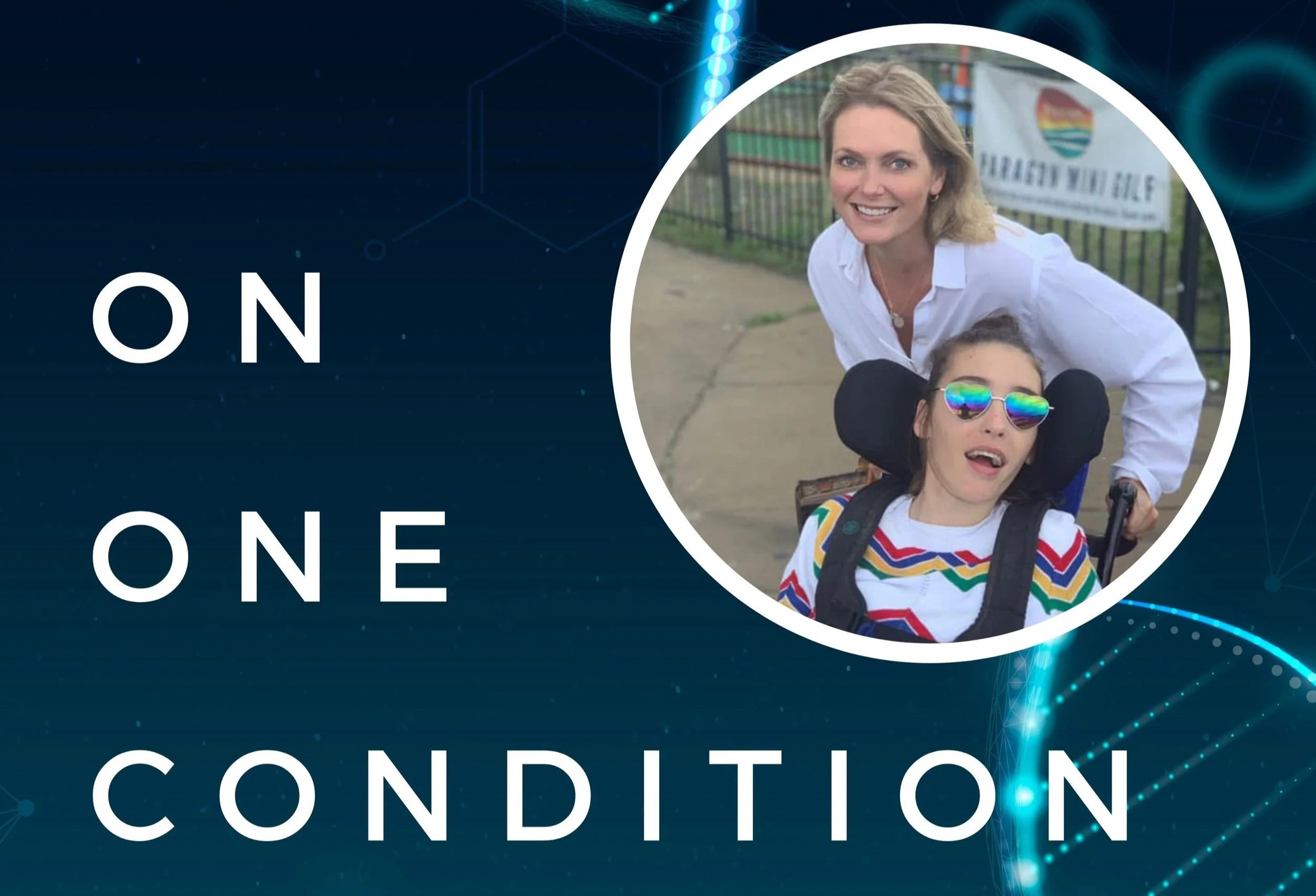
Melissa it the mother of Taylor, who lives with Pura Syndrome, an ultra-rare neurodevelopmental condition that went undiagnosed for 23 years.
Melissa shares the emotional weight of living for decades without answers, the moment of finally receiving a diagnosis, and how uncertainty transformed into purpose. This conversation is a reminder that rare disease stories are not only about struggle — they are about resilience, discovery, community, and hope. Melissa speaks beautifully about seeing beyond limitations, recognising Taylor’s intelligence and individuality, and finding meaning through her work with the Pura Syndrome Foundation.
It is a moving episode about motherhood, purpose, and the extraordinary strength that grows from love.
The song that Melissa chose is Blessings by Laura Story.
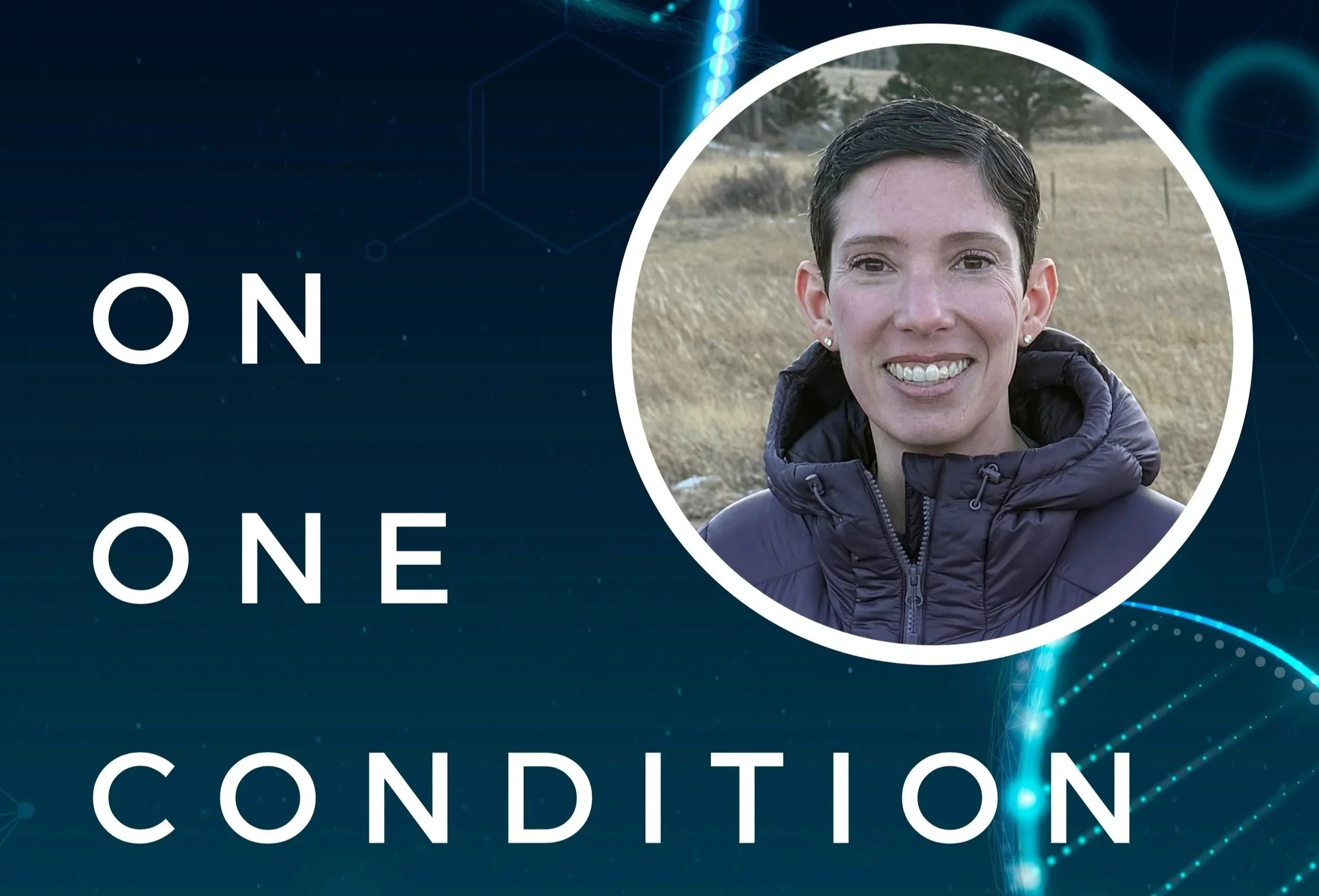
Ronna lives with diffuse systemic scleroderma, a rare and complex autoimmune condition that affects the skin and vital organs like the lungs, heart, and digestive system. What began as years of unexplained symptoms evolved into a life-altering diagnosis, bringing shock, fear, and uncertainty, especially as a young mother.
Ronna speaks candidly about the emotional weight of diagnosis, the reality of living with fatigue and invisible illness, and the difficult balance between protecting her health and continuing to participate in life. Her story highlights the importance of self-advocacy, mental health support, and the power of community, particularly through social media and patient groups.
Despite the challenges, there is resilience at the heart of Ronna’s journey. From signing up for a race she once feared, to redefining what participation in life looks like, she demonstrates a powerful determination to keep moving forward – not just for herself, but for her family. Her story is a reminder that chronic illness is often unseen, but never unfelt, and that empathy and understanding can make a profound difference.
The song Ronna chose is I Wanna Dance With Somebody by Whitney Houston.